- En

Jintong is a power line tower and transmission tower manufacturer serving utility, grid infrastructure and EPC projects. We manufacture galvanized steel electrical transmission towers for project-specific voltage levels, structural loads, route conditions and technical specifications.
Our power transmission tower solutions include lattice angle towers, tubular steel towers, suspension structures, tension towers, terminal transmission towers and special crossing structures. From engineering review and steel fabrication to galvanizing, inspection and delivery, Jintong supports transmission projects with controlled manufacturing quality and documented project requirements.
Materials: high-quality steel with hot-dip galvanizing for long-term corrosion protection
Design & customization: height, span, load cases (wind/ice/seismic), terrain optimization
Quality assurance: ISO management systems and full-process QC from raw materials to delivery
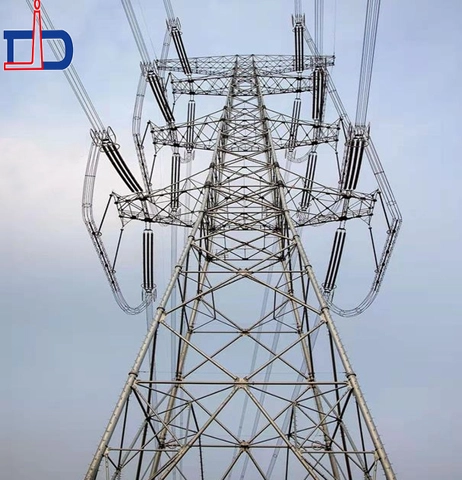
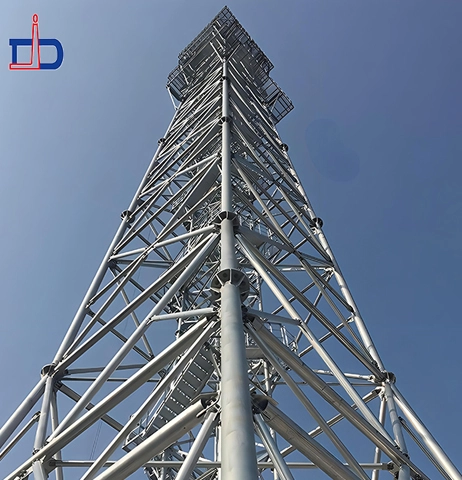
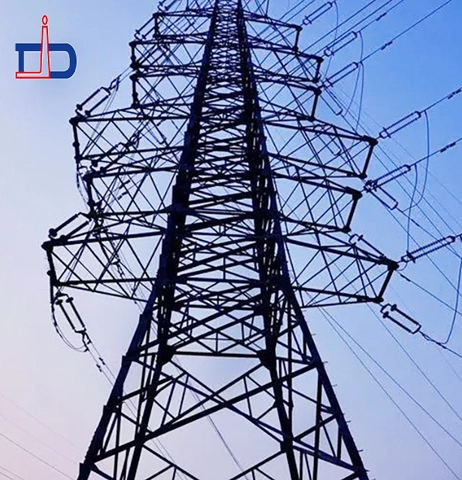
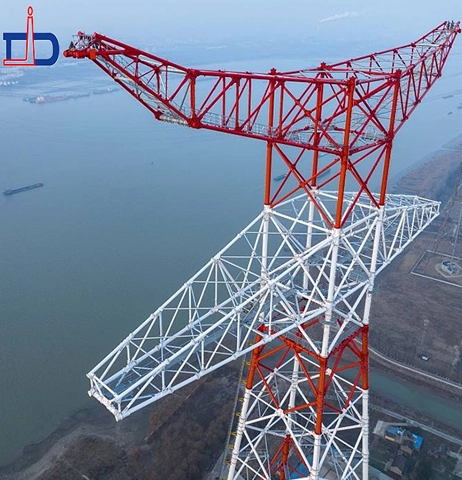
Tower fabrication is reviewed against project drawings, structural requirements and applicable technical specifications before production.
Jintong applies quality control from steel material procurement through fabrication, galvanizing, inspection and delivery to maintain consistency across project batches.
Transmission tower experience across multiple grid projects gives Jintong practical understanding of documentation, production consistency and project delivery requirements.
Tower configuration, corrosion protection and manufacturing documentation can be coordinated according to utility or EPC project requirements.
Load performance: Engineered to withstand conductor loads and environmental forces (wind, ice, and seismic cases as required).
Corrosion protection: Hot-dip galvanized steel with project-specific coating requirements; coating systems can be optimized for coastal/industrial sites.
Flexible configurations: Suspension, tension, terminal transmission tower, and special crossing structures; heights and geometry customized to route conditions.
Efficient force distribution: Designed to manage vertical, horizontal, and torsional loads to help maintain line stability.
Manufacturing consistency: Standardized fabrication and inspection process to ensure dimensional accuracy and assembly reliability.
Project engineering: Tower geometry and loading reviewed according to route and project requirements.
| Tower Type | Typical Project Condition | Main Function | Jintong Solution |
|---|---|---|---|
| Suspension Tower | Straight transmission route | Supports conductors with relatively low longitudinal load | Custom lattice or tubular structure |
| Tension / Angle Tower | Route deviation or higher conductor tension | Resists longitudinal and transverse forces | Standard Electric Angle Tower |
| Terminal Tower | Line termination or substation connection | Anchors conductors at the end of a line section | Project-specific terminal structure |
| Tubular Steel Tower | Urban corridors or restricted right-of-way | Provides compact footprint and high structural stiffness | High Voltage Electric Steel Tubular Tower |
| Special Crossing Tower | River, highway, railway or long-span crossing | Maintains required clearance over special obstacles | Custom engineered structure |
Final tower selection should be based on the project loading criteria, conductor arrangement, route conditions and applicable utility specifications. Jintong can review the available project data before confirming the recommended structure.
Jintong electrical transmission towers are used to support overhead power infrastructure across utility, substation, renewable energy and special-crossing projects. Tower configuration is selected according to voltage level, conductor arrangement, route conditions and structural loading requirements.
Power line towers—including electric transmission towers and electric high tension towers—are critical infrastructure in modern energy systems. They are widely used in:
High-voltage transmission lines: long-distance power delivery from plants to substations
Substation line entry/exit structures: connection points between overhead lines and substations
Urban & rural distribution grids: stable power supply for regional networks
Special terrain: river crossings, highways/railways crossings, mountainous routes
Renewable integration: connecting wind/solar/hydro to regional or national grids
Share your site conditions to get a tower configuration proposal.
Jintong implements strict quality control from raw material procurement to fabrication and delivery. Our manufacturing follows applicable national and industry standards, including GB/T 2694-2012 (and other project/utility requirements).
We operate under certified management systems (including ISO 9001, ISO 14001, and occupational health & safety management systems, per our certifications), and support documentation and inspection requirements agreed with clients.
Typical service life depends on materials, coating, and environment (coastal/industrial exposure).
Routine inspection: check corrosion, bolt tightness, deformation, and foundation condition.
Corrosion protection strategy: galvanizing and coating systems can be selected by exposure class.
Upgrading: existing towers can be strengthened to meet higher loads or line upgrades (subject to engineering evaluation).
Digital inspection trend: drones and sensors can support condition monitoring (utility practice dependent).
Jintong has supplied steel transmission tower structures for utility and grid projects across multiple voltage levels. Our project portfolio includes 110kV, 220kV, 500kV and higher-voltage transmission applications, providing practical manufacturing experience for large-scale power infrastructure requirements.
In a State Grid procurement program, Jintong secured orders totaling 13,760 tons of tower products, including structures for a 750kV transmission line project. This project experience supports our ability to manage technical specifications, production consistency and delivery requirements for utility and EPC customers.
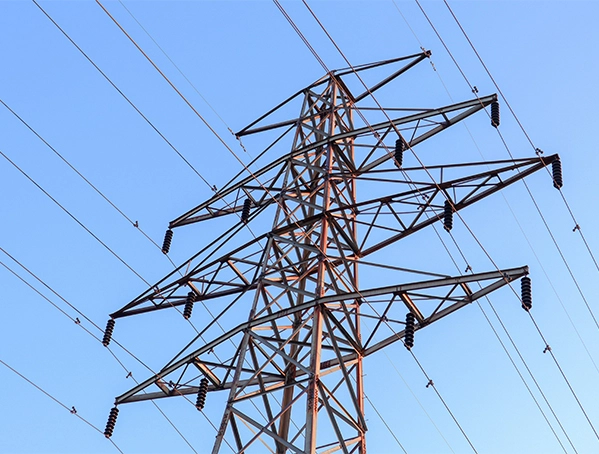
Product Type: Angle Steel Tower
Batch: State Grid 2011 Fourth Batch
Package No.: Package 164
Project Unit:Tianjin Electric Power Company
Project Name: Ninghe-Hanzhuang 500kV line project
Voltage Level: 500kV
Quantity: 1052 tons
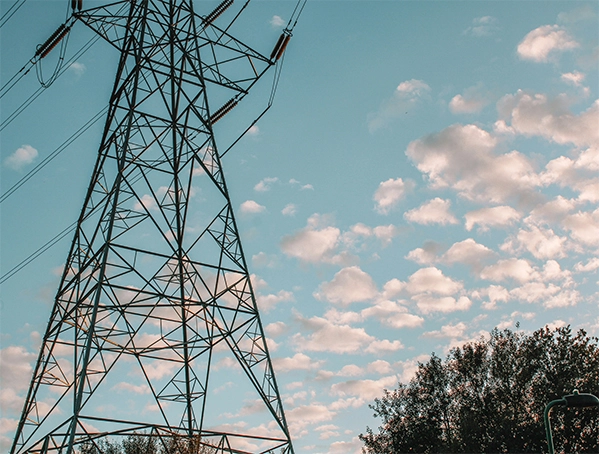
Product Category: Angle steel tower
Batch: National Grid 2012 first batch
Package No.: Package 32
Project unit:Tianjin Electric Power Company
Project Name: (Binhai-Grid 10-58) Zhujiang Road 500KV Transmission and Substation Project
Voltage level: 500KV
Quantity: 1380
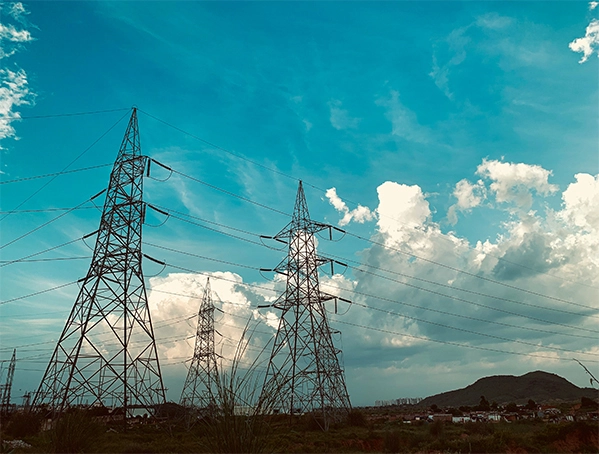
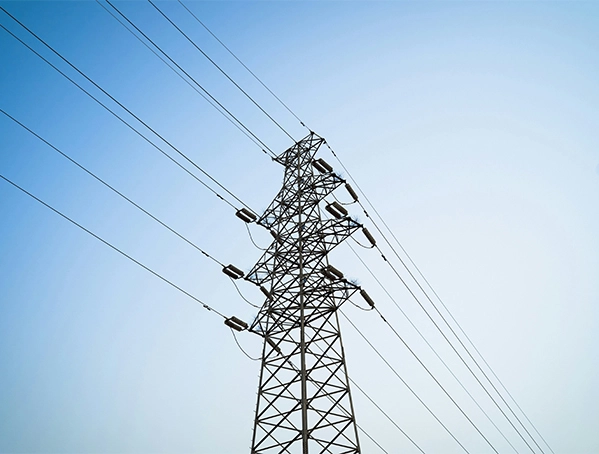
Product Category: Angle steel tower
Batch: State Grid 2012 fourth batch
Package No.: Package 10
Project Unit:Beijing Electric Power Company Transmission Company
Project Name: 220kV Beisui Line (Jingping Expressway) Relocation Project
Voltage Level: 220kV
Quantity: 1500 tons
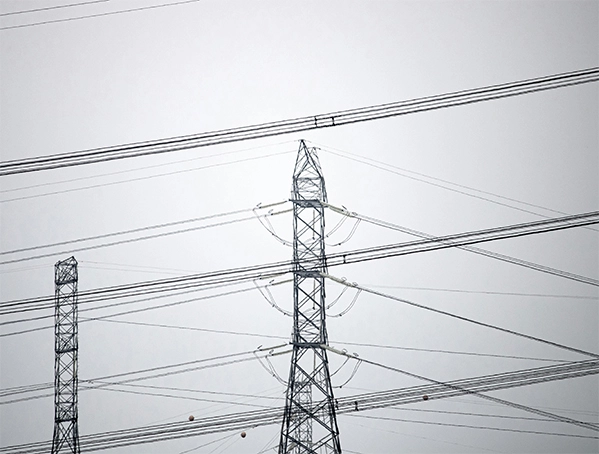
Product Category: Angle steel tower
Batch: State Grid 2012 second batch
Package No.: Package 61
Project unit: Tianjin Electric Power Company
Project Name: (Binhai-Grid 08-48) Dongyin 110kV Transmission and Substation Project
Voltage level: 110kV
Quantity: 2090 tons
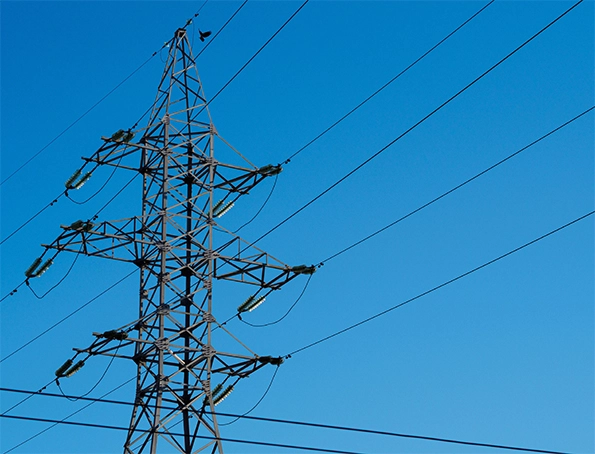
Product Category: Steel Pipe Pole
Batch: State Grid 2012 second batch
Package No.: Package 27
Project unit: Heilongjiang Electric Power Co.
Project Name: 220KV urban and rural substation to Aijian substation transmission line new construction overhead line project
Voltage level: 220KV
Quantity (tons): 1518
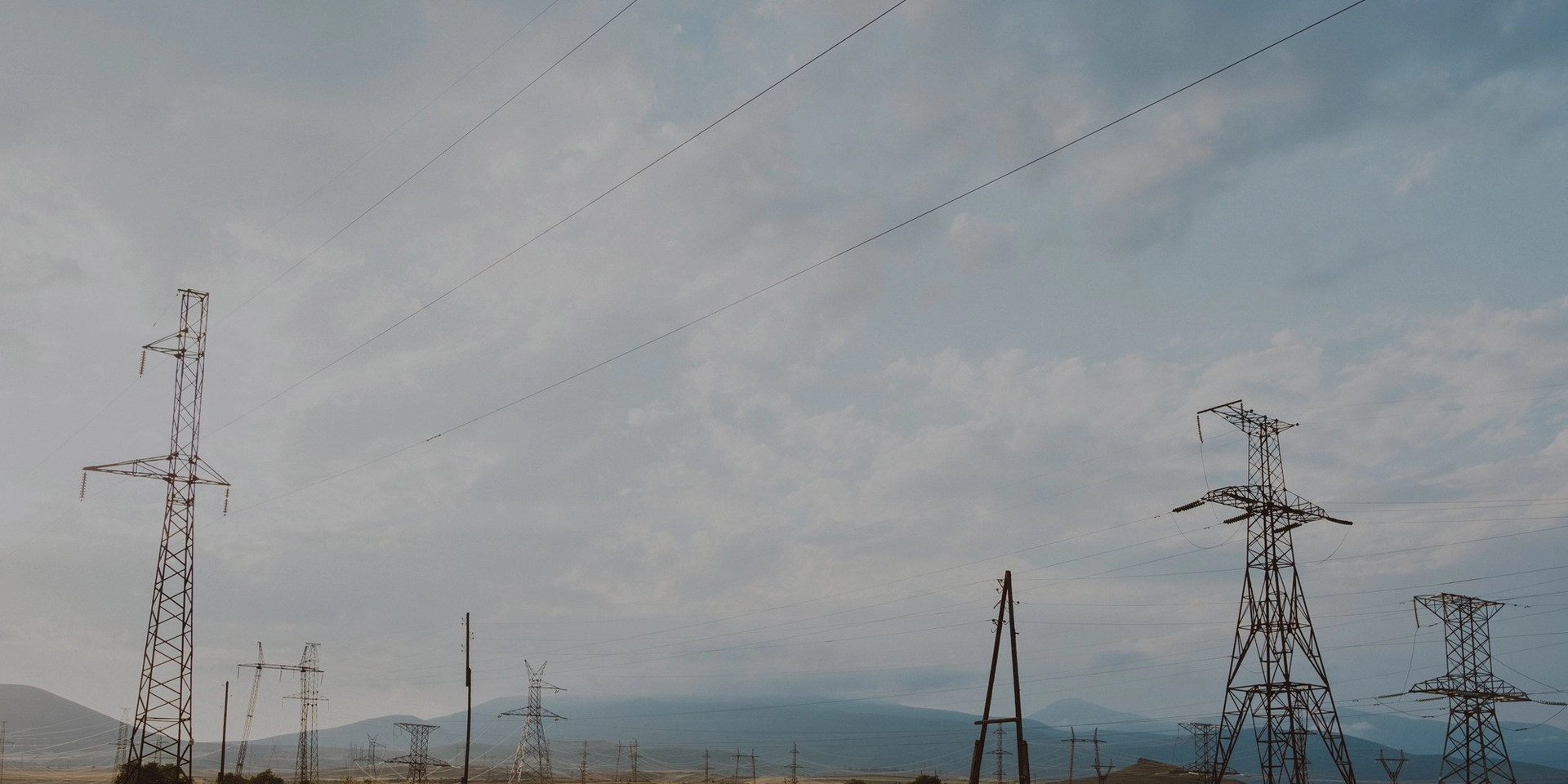
Product Category: Angle steel tower
Batch: State Grid 2012 third batch
Package No.: Package 32
Project unit:Jilin Electric Power Co.
Project Name: Changchun Jiutai Bonyihe 110kV Transmission and Substation New Construction - Overhead Transmission Project
Voltage level: 110kV
Quantity: 1441 tons
Jintong manufactures steel power line towers for different transmission functions, including lattice angle towers, tubular towers, suspension structures, tension towers, terminal towers and special crossing structures. The final configuration is selected according to the route, loading conditions and project specifications.
According to the advice of the structural steel company, maintenance of steel transmission towers involves regular inspections, including visual checks, drones, and helicopters for hard-to-reach areas. Any signs of wear, corrosion, or damage are addressed promptly to ensure the integrity of the power transmission system.
Yes. We provide customized transmission line tower solutions based on project requirements, including tower height, span length, conductor configuration, wind load, ice load, seismic conditions, and voltage level. Our engineering team can optimize the tower design to ensure structural safety, cost efficiency, and long-term reliability.
For a faster quotation, please provide your technical specifications or project drawings.
Power line towers are typically manufactured from high-strength structural steel and protected with hot-dip galvanizing to ensure excellent corrosion resistance. Depending on environmental conditions and maintenance practices, galvanized transmission line towers generally provide a service life of 40–80 years or more.
For projects in coastal, high-humidity, or industrial environments, additional corrosion protection solutions can be specified to further enhance durability and reduce long-term maintenance costs.
For an accurate quotation, please provide the available tower drawings or technical specification together with the required voltage level, tower type, project location and estimated quantity. Jintong can review the information before confirming the manufacturing proposal.
Steel transmission towers are normally protected by hot-dip galvanizing. The required corrosion protection should be selected according to the project environment and applicable specification, especially for coastal, humid or industrial locations.
Yes. Jintong has supplied tower structures for multiple utility projects, including 220kV, 500kV and 750kV transmission applications. Project requirements should be reviewed individually to confirm the appropriate tower configuration and manufacturing specification.